Archives
- 2026-06
- 2026-05
- 2026-04
- 2026-03
- 2026-02
- 2026-01
- 2025-12
- 2025-11
- 2025-10
- 2025-09
- 2025-03
- 2025-02
- 2025-01
- 2024-12
- 2024-11
- 2024-10
- 2024-09
- 2024-08
- 2024-07
- 2024-06
- 2024-05
- 2024-04
- 2024-03
- 2024-02
- 2024-01
- 2023-12
- 2023-11
- 2023-10
- 2023-09
- 2023-08
- 2023-06
- 2023-05
- 2023-04
- 2023-03
- 2023-02
- 2023-01
- 2022-12
- 2022-11
- 2022-10
- 2022-09
- 2022-08
- 2022-07
- 2022-06
- 2022-05
- 2022-04
- 2022-03
- 2022-02
- 2022-01
- 2021-12
- 2021-11
- 2021-10
- 2021-09
- 2021-08
- 2021-07
- 2021-06
- 2021-05
- 2021-04
- 2021-03
- 2021-02
- 2021-01
- 2020-12
- 2020-11
- 2020-10
- 2020-09
- 2020-08
- 2020-07
- 2020-06
- 2020-05
- 2020-04
- 2020-03
- 2020-02
- 2020-01
- 2019-12
- 2019-11
- 2019-10
- 2019-09
- 2019-08
- 2019-07
- 2019-06
- 2019-05
- 2019-04
- 2018-11
- 2018-10
- 2018-07
-
Further proof is required as to whether ER membrane receptor
2020-01-09
Further proof is required as to whether ER membrane receptors play a role in the maintenance of bone mass. It is also possible that other non-genomic pathways may be involved. Nevertheless, whatever the precise mechanism of action of estrogens may be, the imbalance between bone formation and resorpt
-
In conclusion our findings suggested
2020-01-09
In conclusion, our findings suggested that EP4 receptor activation triggers apoptosis in B-cell lymphoblasts. Our results also showed that EP4 receptor engagement inactivates NF-κB, which, in turn, sensitizes Ramos IY-5511 to apoptosis induced by chemotherapeutic agents. EP4 receptor agonists are c
-
Molecular imaging that provides a non invasive
2020-01-09
Molecular imaging that provides a non-invasive means to visualize and measure a biological process of interest at the molecular and cellular level in living subjects has emerged as a promising approach for in vivo detection of enzyme activity in recent decades [6]. In PP242 sale to anatomical imagin
-
Chemokines act as ligands for the chemokine receptors
2020-01-08
Chemokines act as ligands for the chemokine receptors, which possess 7-transmembran domain-type proteins functionally coupled to G proteins. Leukocytes express 19 chemokine receptors which control their influx and activation at the site of inflammation. Human neutrophils express both CXCR-1 and CXCR
-
look at Besides the regulation of the
2020-01-08
Besides the regulation of the stress responses, CRF and the urocortins have been implicated in drug addiction (Bruijnzeel and Gold, 2005, Sarnyai et al., 2001). For instance nicotine, the addictive substance of tobacco, can activate the HPA axis, just like any other stressor may do, although its imp
-
Darunavir Ethanolate Pahlavanzadeh and Fakouri Baygi employe
2020-01-08
Pahlavanzadeh and Fakouri-Baygi [6] employed PC-SAFT EoS to predict the Darunavir Ethanolate of carbon dioxide by aqueous MEA solutions. They used the ideal form of Smith–Missen algorithm to calculate liquid phase concentrations. The results illustrate acceptable accuracies so that the AAD was achi
-
Stable carbon and nitrogen isotope ratios in
2020-01-08

Stable carbon and nitrogen isotope ratios in bone collagen and carbon isotope ratios in bone apatite data were obtained by the means of the techniques described in supplementary data (SD1). For collagen, standard indicators have been used to assess its preservation, such as collagen yield, carbon an
-
br Conclusion In this review we have discussed how
2020-01-08
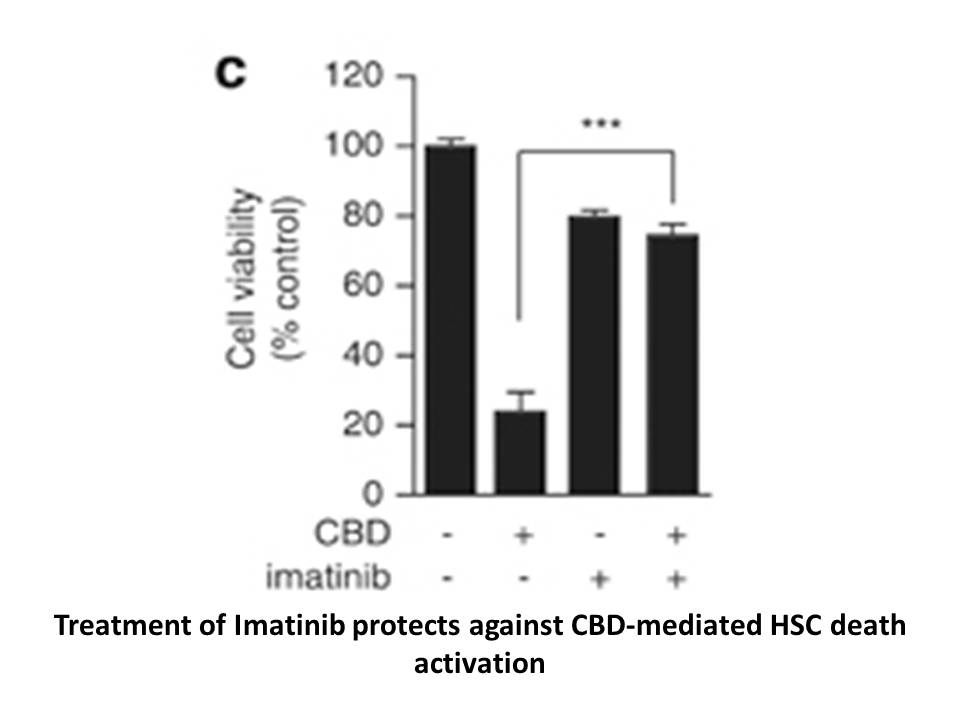
Conclusion In this review, we have discussed how inhibition of the CK2/CDK5 signaling axis protects WM only when inhibited before ischemia, while inhibition of the CK2/AKT/GSK3β signaling axis protects WM either before or after an ischemic injury in young, aging, and old WM (Fig. 3). CK2 activati
-
ERR induces the expression of
2020-01-08
ERRγ induces the expression of P450c17 in MA-10 cells and in mouse primary Leydig cells (Fig. 2). Deletion mutant analysis of putative ERRγ-binding sites in the P450c17 promoter suggested that only the proximal third site located between −269 bp and −136 bp within the P450c17 promoter is functional
-
br Halogenases Enzymatic C H activation
2020-01-08
Halogenases Enzymatic C–H activation leading to halogenation is another emerging area in biocatalysis [55,56]. Incorporation of halogen atoms during medicinal chemistry eff ;orts is a well-established practice, presenting an effective means to control the molecule’s bioactivity and physicochemical
-
HOIP s ability to build linear Ub
2020-01-08
HOIP\'s ability to build linear Ub chains arises from a unique domain that follows directly after the RING2 domain, the linear ubiquitin chain-determining domain (LDD) (Fig. 1). Structures have revealed that the LDD is structurally integrated into RING2, creating a single RING2–LDD unit (Fig. 2D) [4
-
Elevated DPP activity has been strongly associated with diab
2020-01-08
Elevated DPP-4 activity has been strongly associated with diabetes mellitus, IR (Röhrborn et al., 2015), metabolic syndrome (Lamers et al., 2011) and inflammation (Zhong et al., 2015). However, report has it that GC exposure increases DPP-4activity in thymocyte homogenates (Kraml et al., 2003) but t
-
According to these results the power GaN seems more robust
2020-01-08
According to these results, the power GaN seems more robust than existing technologies (VDMOS, Superjunction, IGBT,) [5,10] and [11]. Comparing with the SiC technology, the previous works show a low SEE tolerance [[12], [13], [14]] and [15]. The SOA of power GaN devices can be equivalent to the IGBT
-
br Conclusion This study demonstrates the presence of functi
2020-01-08
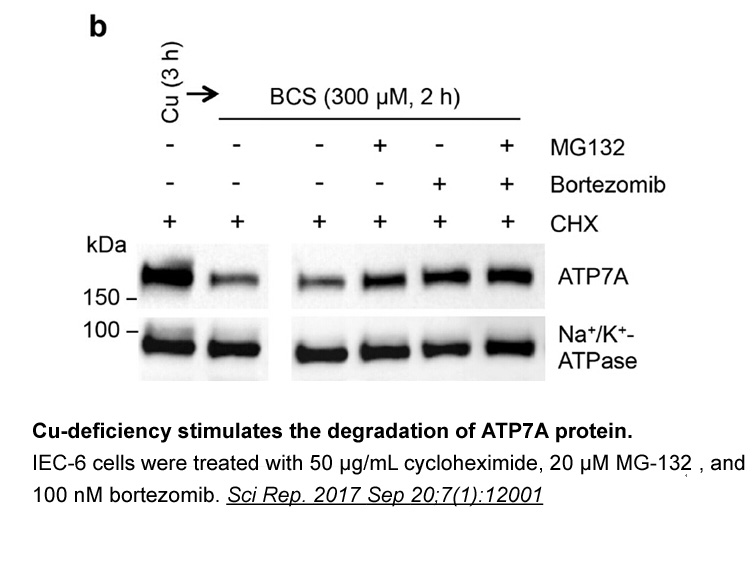
Conclusion This study demonstrates the presence of functionally viable ET receptors in the surgically extracted tissue from patients with CTEPH. The ET receptor was associated with smooth muscle cells, mainly the contractile phenotype of SMC that surrounds the recanalised carbenoxolone and can b
-
We obtained two bands in RT PCR for
2020-01-08
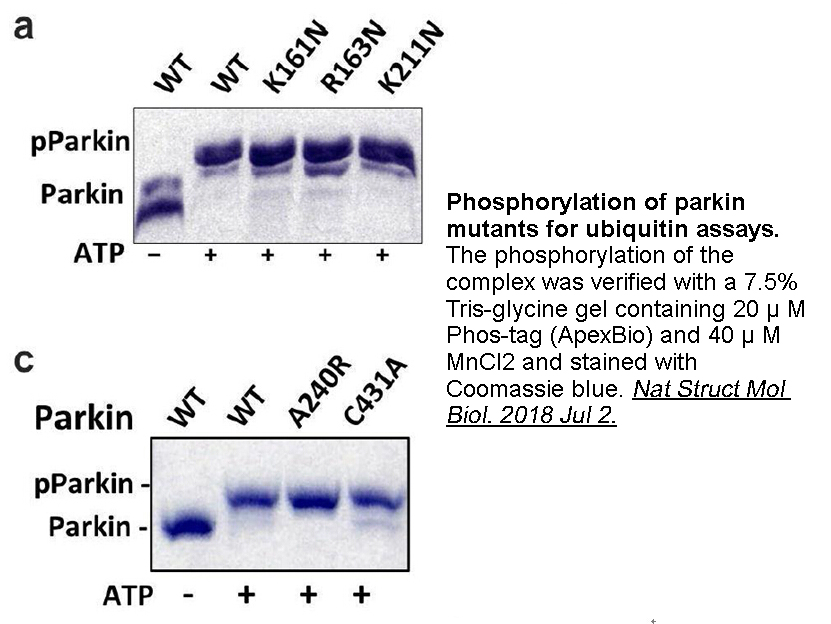
We obtained two bands in RT-PCR for detection of SERPIN1-FOSB fusion when Taq DNA polymerase was used (Fig. 3A). Genuine RT-PCR product of SERPIN1-FOSB fusion was proved to be the shorter one (733 GSK2126458 pairs) by sequencing, and the longer band (863 base pairs) was shown to be derived from nati
15945 records 902/1063 page Previous Next First page 上5页 901902903904905 下5页 Last page