Archives
- 2026-06
- 2026-05
- 2026-04
- 2026-03
- 2026-02
- 2026-01
- 2025-12
- 2025-11
- 2025-10
- 2025-09
- 2025-03
- 2025-02
- 2025-01
- 2024-12
- 2024-11
- 2024-10
- 2024-09
- 2024-08
- 2024-07
- 2024-06
- 2024-05
- 2024-04
- 2024-03
- 2024-02
- 2024-01
- 2023-12
- 2023-11
- 2023-10
- 2023-09
- 2023-08
- 2023-06
- 2023-05
- 2023-04
- 2023-03
- 2023-02
- 2023-01
- 2022-12
- 2022-11
- 2022-10
- 2022-09
- 2022-08
- 2022-07
- 2022-06
- 2022-05
- 2022-04
- 2022-03
- 2022-02
- 2022-01
- 2021-12
- 2021-11
- 2021-10
- 2021-09
- 2021-08
- 2021-07
- 2021-06
- 2021-05
- 2021-04
- 2021-03
- 2021-02
- 2021-01
- 2020-12
- 2020-11
- 2020-10
- 2020-09
- 2020-08
- 2020-07
- 2020-06
- 2020-05
- 2020-04
- 2020-03
- 2020-02
- 2020-01
- 2019-12
- 2019-11
- 2019-10
- 2019-09
- 2019-08
- 2019-07
- 2019-06
- 2019-05
- 2019-04
- 2018-11
- 2018-10
- 2018-07
-
MdHCLB channels expressed in Xenopus
2020-01-14
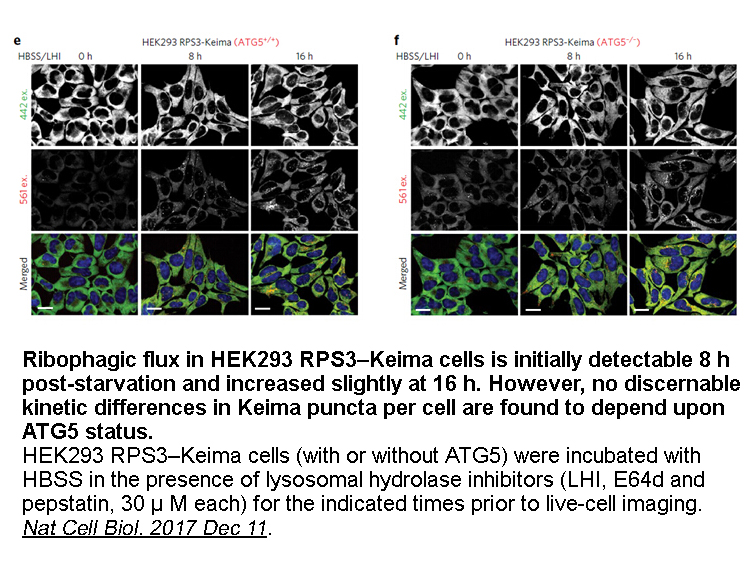
MdHCLB channels expressed in Xenopus oocytes produced currents in response to HA and GABA (Fig. 1, Fig. 3). This is in agreement with the findings with Drosophila HCLB channels (Gisselmann et al., 2004). In the HA concentration-response curves, the effects of GABA were additive to those of HA only i
-
Interestingly increased level of both circulating ET and uri
2020-01-14
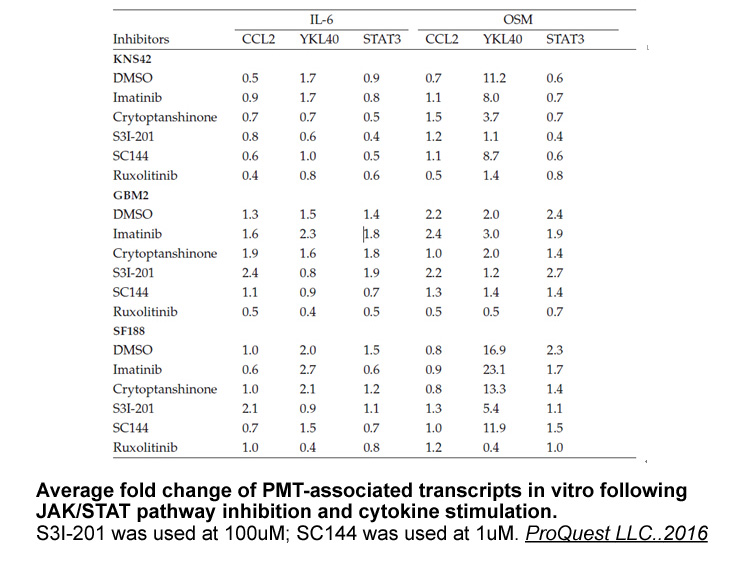
Interestingly, increased level of both circulating ET-1 and urinary excretion of ET-1 have been observed in patients treated with nephrotoxic immunosuppressive agents as cyclosporine A and tacrolimus (Slowinski et al., 2002). Other nephrotoxic agents, such as cisplatin, also increase urinary excreti
-
In the next experiments using a Cell Stress
2020-01-14

In the next experiments, using a Cell Stress Array kit we assessed the effect of mixture of progestogens on the expression of 26 proteins. One group of proteins including PON3, Phospho-p38a, SIRT2, SOD2, HIF-1 alpha, HIF-2alpha and p27 were upregulated upon progestogen treatment. HIF-1 functions as
-
Synthetic progestogens also known as
2020-01-14
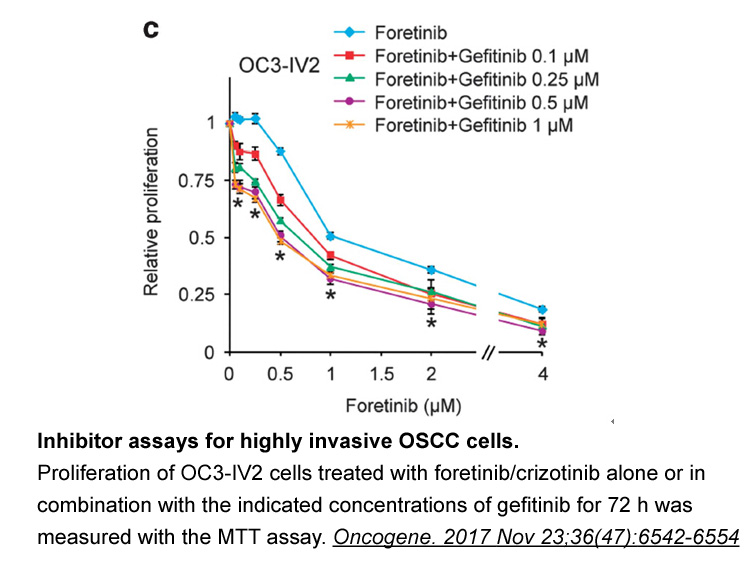
Synthetic progestogens (also known as ‘synthetic gestagens’, ‘synthetic progestins’ or simply ‘progestins’) are designed to mimic the effects of progesterone (P4) and are the active pharmaceutical ingredient in many contraceptives and hormone replacement therapies. Since most progestins are derived
-
The objective of the present
2020-01-14
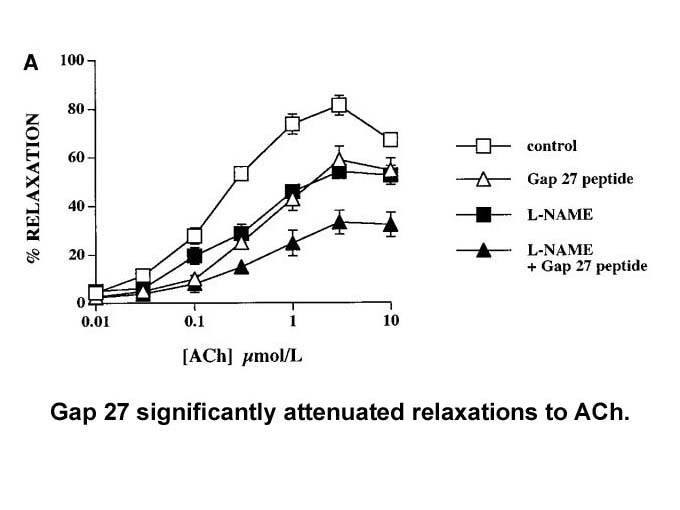
The objective of the present work is to search for the optimum blend when 12.5–50% metakaolin is substituted by RHA and reacted with 10 M sodium hydroxide solution to produce geopolymers. It was hypothesized that the amorphous Eribulin mesylate receptor from RHA will increase the Si/Al ratio of the
-
Interest in DGKs increased as it became clear that
2020-01-13
Interest in DGKs increased as it became clear that not only are they important for lipid homeostasis, they serve to modulate the relative levels of diacylglycerol (DAG) and phosphatidic cetyltrimethylammonium bromide receptor (PtdOH) that play critical roles in a variety of signaling pathways (Eichm
-
In the PTEN loss mouse model deletion of ATG gene
2020-01-13
In the PTEN loss mouse model, deletion of ATG7 gene not only caused an autophagy-deficient phenotype, but also postponed the progression of inoculated prostate tumor [22]. On the basis of these experimental facts, these ATG7 and PTEN related genes were then compared with the 3020 BCR-associated gene
-
To better understand the mechanism of splicing in CLCN we
2020-01-13

To better understand the mechanism of splicing in CLCN1, we began by constructing a minigene spanning exons 5–7 of CLCN1, resulting in the synthetic CLCN1 (5–7) minigene. We also established a new assay using real-time reverse transcription (RT)-PCR, which can distinguish between splicing variants b
-
The mechanisms by which coregulators control the actions of
2020-01-13
The mechanisms by which coregulators control the actions of estrogen receptors are still a topic of ongoing research. From studies in cancer cells, we have learned that a large group of coregulators have specific structural motifs that than affect their contact with ER ligand-binding domains (Heery,
-
Based upon these findings on portions A and
2020-01-13
Based upon these findings on portions A and B, novel scaffolds of EP4 antagonist, and (R & R=()-Me; =Cl; R=H), shown in , were identified. We next focused on optimizing portion C of these scaffolds. We utilized for an alternative synthesis of nicotinamide scaffold , which is quite effective for
-
Endothelin appears to have direct effects on neoplastic
2020-01-13
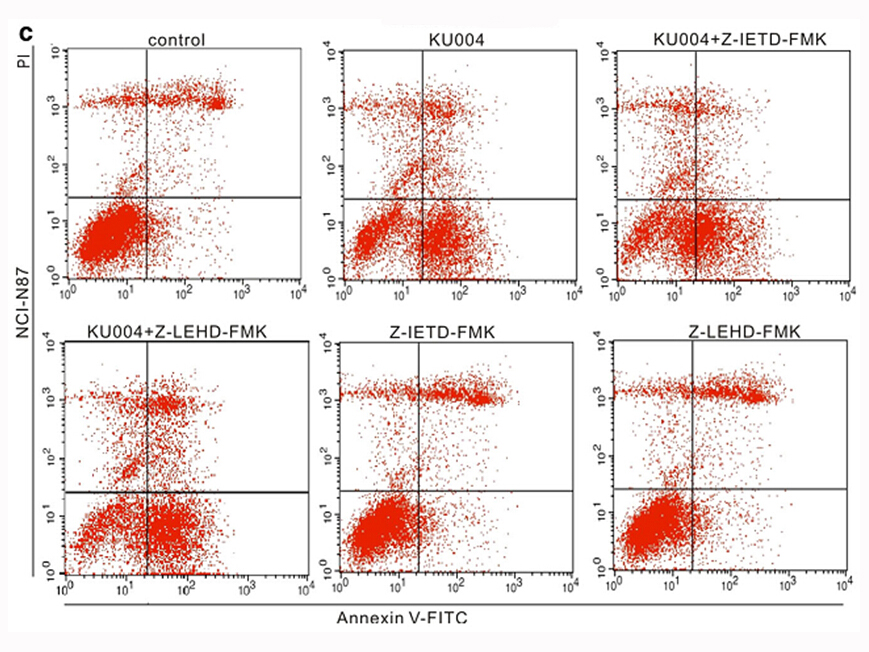
Endothelin 1 appears to have direct effects on neoplastic CW069 by inducing cellular proliferation, angiogenesis, migration, invasion, and inhibition of apoptosis [10]. Endothelin 1 mediates mitogenic effects in some epithelial tumors such as colorectal, ovarian, and prostate cancers [11], [12], [13
-
br Results br Discussion The ubiquitin system
2020-01-13
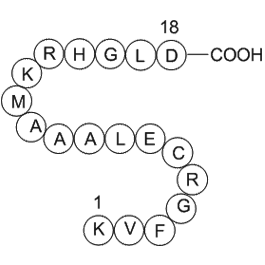
Results Discussion The ubiquitin system has in recent years become an exciting area for drug discovery (Cohen and Tcherpakov, 2010), as multiple enzymatic steps within the ubiquitylation process are druggable. The potential of targeting the ubiquitin-proteasome pathway was first demonstrated i
-
In plants SUMOylation has been shown
2020-01-13
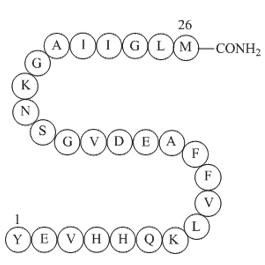
In plants, SUMOylation has been shown to modulate plant hormone signaling (Lois et al., 2003, Miura et al., 2009, Conti et al., 2014), root stem cell maintenance (Xu et al., 2013), and responses to abiotic and biotic stress (Lois, 2010). Many of the plant biological processes regulated by SUMOylatio
-
The role of ARA cyp metabolites
2020-01-13

The role of ARA-cyp450 metabolites in the liver is still unclear [44]. However, ARA-cyp450 genes metabolize other fatty acids such lauric and palmitic Oxaliplatin [45]. It was found that decreased cyp4a expression caused fatty livers through reduction of fatty acid metabolism [46]. In this study, w
-
The synthetic route of R changed
2020-01-13
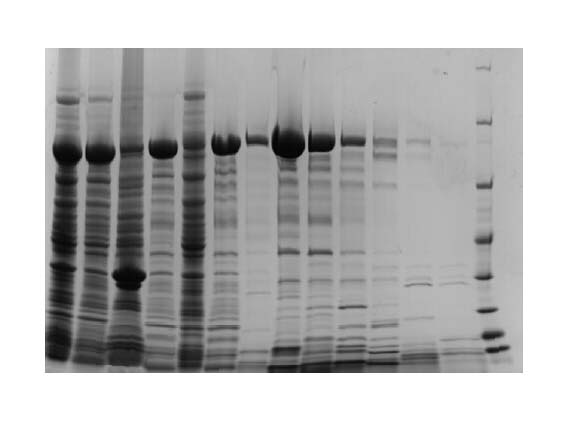
The synthetic route of R-changed derivatives is shown in . Compounds – were prepared from commercially available 4-nitro-1-indazole (). After same two steps with , the N-substituted indazole of was produced using the Suzuki reaction in a good yield (85%). Reduction of was performed using Pd/C, and
15945 records 898/1063 page Previous Next First page 上5页 896897898899900 下5页 Last page