Archives
- 2026-06
- 2026-05
- 2026-04
- 2026-03
- 2026-02
- 2026-01
- 2025-12
- 2025-11
- 2025-10
- 2025-09
- 2025-03
- 2025-02
- 2025-01
- 2024-12
- 2024-11
- 2024-10
- 2024-09
- 2024-08
- 2024-07
- 2024-06
- 2024-05
- 2024-04
- 2024-03
- 2024-02
- 2024-01
- 2023-12
- 2023-11
- 2023-10
- 2023-09
- 2023-08
- 2023-06
- 2023-05
- 2023-04
- 2023-03
- 2023-02
- 2023-01
- 2022-12
- 2022-11
- 2022-10
- 2022-09
- 2022-08
- 2022-07
- 2022-06
- 2022-05
- 2022-04
- 2022-03
- 2022-02
- 2022-01
- 2021-12
- 2021-11
- 2021-10
- 2021-09
- 2021-08
- 2021-07
- 2021-06
- 2021-05
- 2021-04
- 2021-03
- 2021-02
- 2021-01
- 2020-12
- 2020-11
- 2020-10
- 2020-09
- 2020-08
- 2020-07
- 2020-06
- 2020-05
- 2020-04
- 2020-03
- 2020-02
- 2020-01
- 2019-12
- 2019-11
- 2019-10
- 2019-09
- 2019-08
- 2019-07
- 2019-06
- 2019-05
- 2019-04
- 2018-11
- 2018-10
- 2018-07
-
Acl converts cytosolic citrate CoA and
2024-09-28
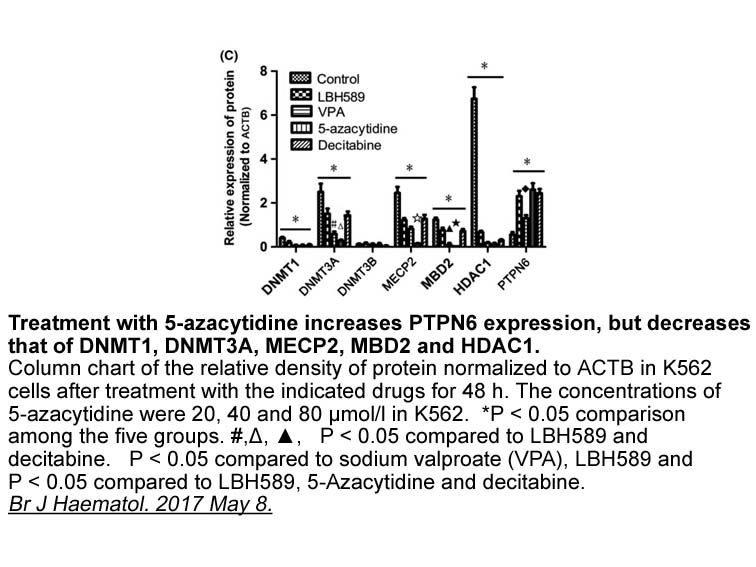
Acl converts cytosolic citrate, CoA and ATP into acetyl-CoA, ADP+Pi and oxaloacetate (Fig. 1). This cytosolic enzyme is present in few Prokaryotes and in all Eukaryotes, but not in non-oleaginous yeasts [14]. Thus, this enzyme was presumed to be essential for FA synthesis [1], [13], [15]. In most mi
-
Hydrogen sulfide H S a colorless and
2024-09-28

Hydrogen sulfide (H2S) [33], a colorless and water-soluble gas with the smell of rotten eggs, is now recognized as an important gasotransmitter, after the extensive study of nitric oxide (NO) and carbon monoxide (CO). H2S is produced endogenously via enzymatic reactions of cysteine, homocysteine and
-
The physiologic conditions and signaling mechanisms that reg
2024-09-28
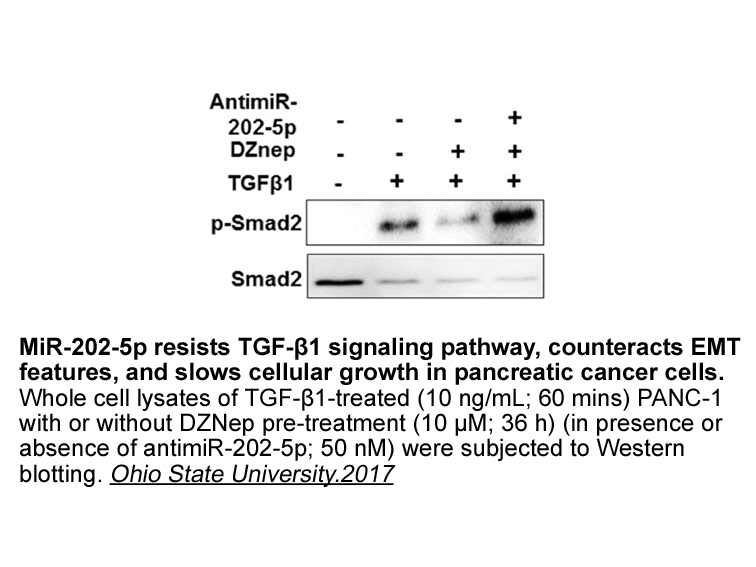
The physiologic conditions and signaling mechanisms that regulate apelin secretion and APLNR expression in malignant tissues appear to be multifactorial. Previous studies have shown that hyperplastic and neoplastic cholangiocytes secrete a variety of hormones, peptides, and growth factors that help
-
Pathological angiogenesis occurs when an imbalance of endoge
2024-09-28
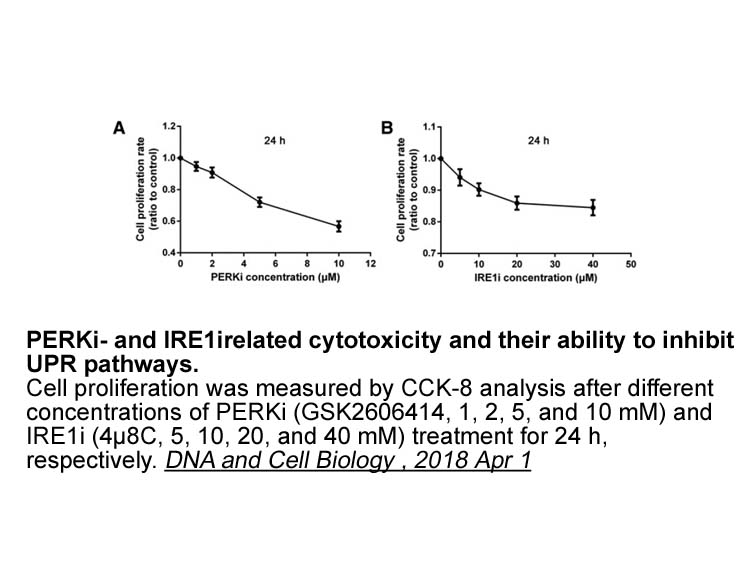
Pathological angiogenesis occurs when an imbalance of endogenous proangiogenic and antiangiogenic factors occurs. Although the focus of angiogenesis-related drug development has been geared to the discovery of antiangiogenic compounds for use in pathologies where excessive angiogenesis occurs (cance
-
Other reports however have indicated that all
2024-09-28
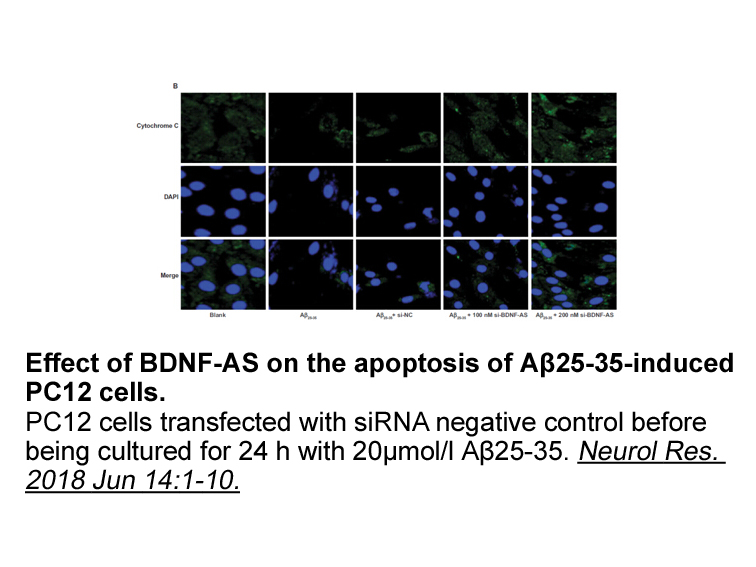
Other reports, however, have indicated that all components of RAS are produced within the central nervous system (CNS) (Saavedra, 2005). Thus, AGTR1 and AGTR2 in circumventricular organs and in cerebrovascular endothelial cells may respond to circulating ANG2 of peripheral origin, whereas neural rec
-
MSG model is well characterized and widely used because
2024-09-28
MSG model is well characterized and widely used because it is not influenced by dietary components and because it mimics a lesion in the arcuate nucleus and lateral hypothalamus that can occur in chronic obese patients (Moraes et al., 2009, Purkayasta and Cai, 2013). High fat fed diet is amongst the
-
The mechanism of transformation into
2024-09-28
The mechanism of transformation into SCLC is unclear but the loss of retinoblastoma gene (RB) seems important and constitutes an initial event in the tumorigenic process. Some reports revealed the role of the RB gene loss in EGFR mutated NSCLC who transformed into SCLC [15]. In NGS we retrieved mut
-
There are human genes in
2024-09-28
There are 12 human genes in the SLC5A family, and 6 of these are expressed in human heart (Table 2). Little is known about SGLT proteins in the heart. Zhou et al. [56] reported the presence of SGLT1 mRNA in the human heart. Researchers have found that levels of SGLT1 mRNA in heart are approximately
-
Busulfan Ketogenic diets are more effective in promoting
2024-09-28

Ketogenic diets are more effective in promoting weight loss than conventional caloric restriction [26] however, their effect on hepatic glucose and lipid metabolism remains inconclusive. Blood glucose homeostasis is tightly regulated. In both mice and humans consuming KD, baseline blood glucose decr
-
GMF was later localized to the
2024-09-27
GMFβ was later localized to the cytosol of primary astrocytes and glioma cell lines [67], prompting investigations into its involvement in intracellular signaling. It was found that PKA phosphorylation of GMFβ inhibits the ERK1/2 branch of the MAP kinase pathway [73], yet activates the stress-respon
-
Despite hydrolysis with commercial enzymes like
2024-09-27
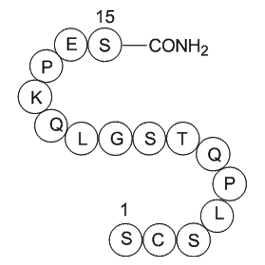
Despite hydrolysis with commercial enzymes like trypsin, pepsin, Alcalase, Flavourzyme and Thermolysin have been used to digest parent proteins and generate peptides, microbial fermentation by proteolytic species has also proved to be a successful strategy (Fakhfakh et al., 2013, Jemil et al., 2016,
-
Comparison of the GLUT positive plus ACLY
2024-09-27
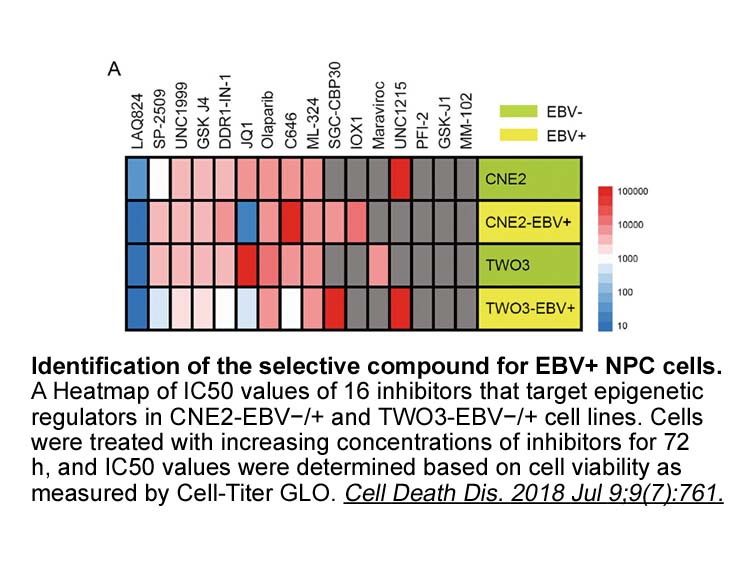
Comparison of the GLUT1-positive plus ACLY negative group with the GLUT1-negative plus ACLY positive group indicated no significant difference with respect to disease-free survival and overall survival. However, some obvious differences in histological types were found in their formation. A previous
-
ATM is required for the proper function of
2024-09-27
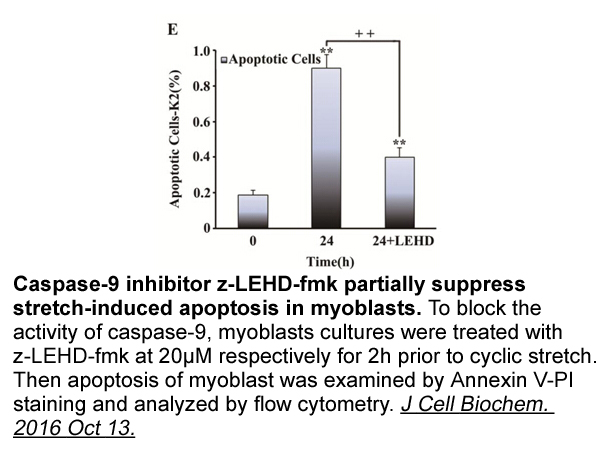
ATM is required for the proper function of the DNA-repair pathway in response to bleomycin-induced DNA damage in mammalian cells [55], [56]. Recent reports suggest that ATM activation by double-strand breaks leads to the subsequent ATR activation [57], [58], [59]. The recruitment of ATR to double-st
-
Neratinib sale Introduction Enzymatic browning degrades qual
2024-09-27
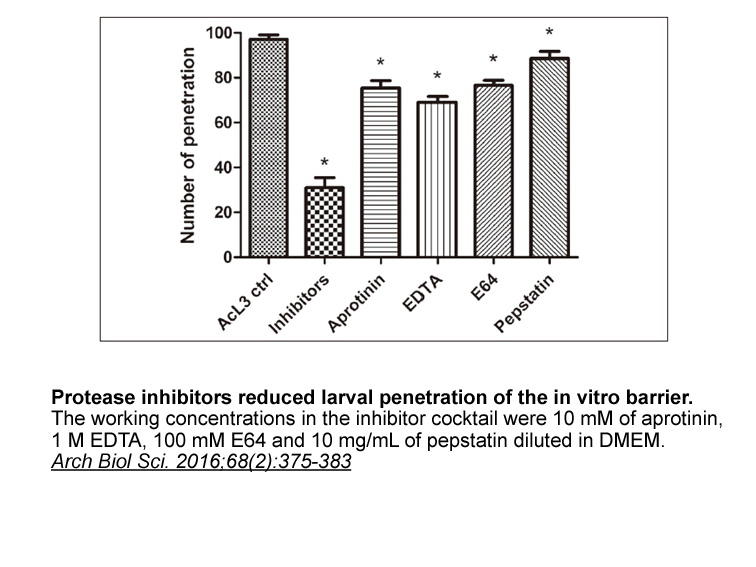
Introduction Enzymatic browning degrades quality, safety, and nutritional values of various fruits or vegetable products. For example, the color of apple or potato is generally yellowish, representing freshness. However, they are extremely susceptible to enzymatic browning because of abundant polyp
-
Abnormalities in placentation in patients with PE appear
2024-09-27

Abnormalities in placentation in patients with PE appear to be associated with changes in different components of the signaling pathway that mediates cytotrophoblast migration/invasion. Studies have showed that the activation of the Notch signaling pathway is associated with the differentiation and
15944 records 101/1063 page Previous Next First page 上5页 101102103104105 下5页 Last page